
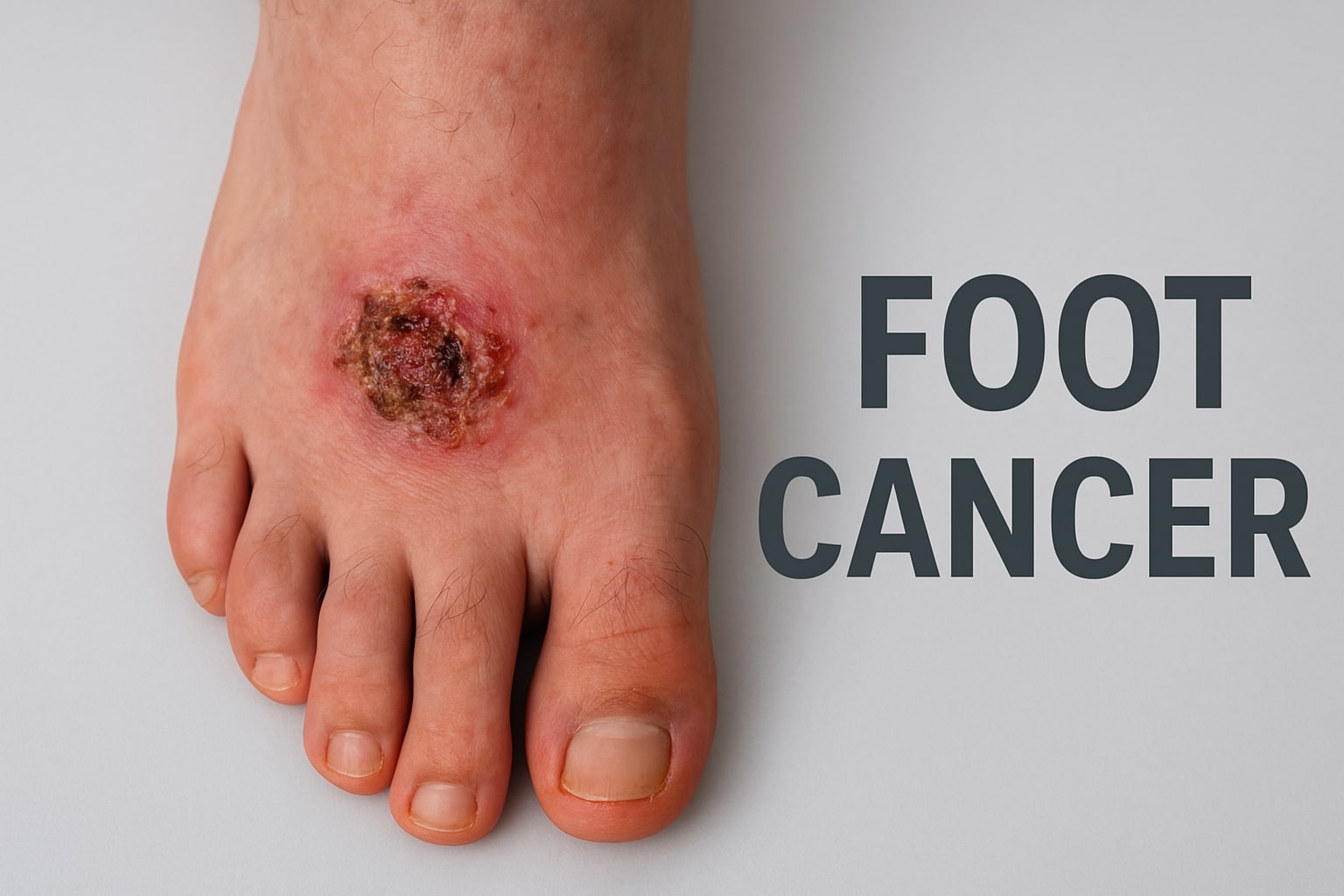
Have you ever noticed a strange spot on your foot and wondered if it was something small or something serious .Most people never think about foot cancer until a tiny mark suddenly looks different
It’s easy to overlook a heel a nail or the bottom of a toe because we don’t check them as often as we should
Yet doctors say many early signs hide in the places we ignore the most
A non healing foot sore or a dark line under nail might seem harmless at first but these small changes can carry important meaning
You’re not alone if that sounds a little scary
Foot problems are common and most aren’t dangerous
But when a growth on foot or a melanoma on toe starts changing fast it deserves a closer look
The good news is that you can spot trouble early with simple checks and a little awareness
This article walks you through the signs tests and care steps so you feel informed and confident rather than overwhelmed
By the end you’ll know exactly what to watch for and when it’s time to get a dermatologist foot check for peace of mind
What Foot Cancer Means
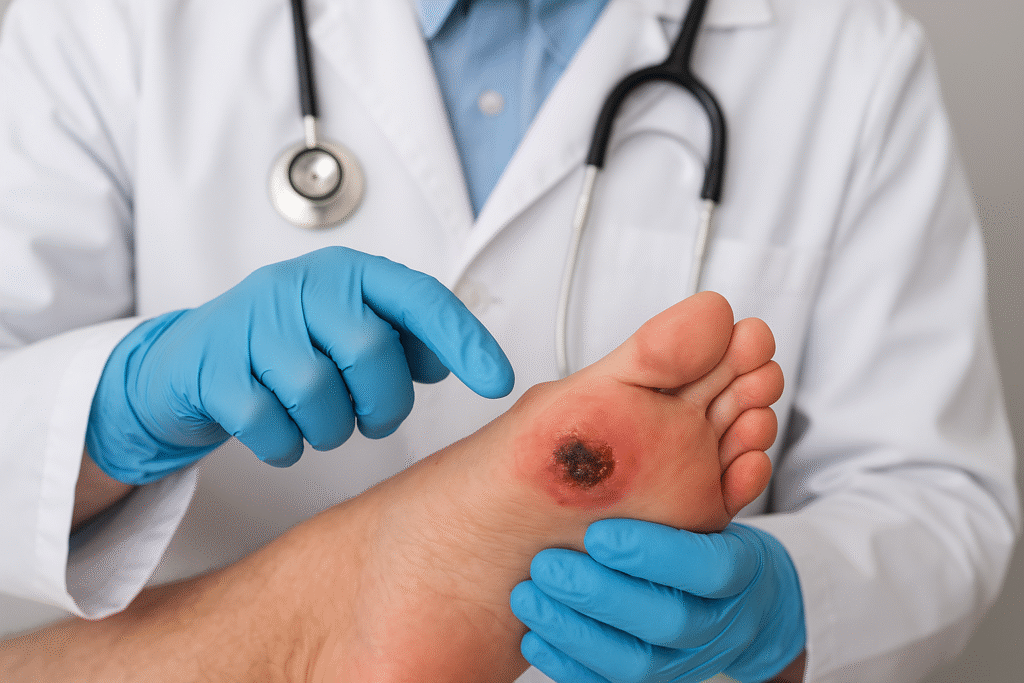
Foot cancer covers skin and soft-tissue cancers that develop on the toes heels soles and nails. Many people overlook these areas so symptoms often stay hidden. Some notice foot melanoma only when it spreads which makes early checks important. Doctors say small changes can appear as melanoma signs on feet or odd nail streaks.
You might see tiny shifts first. A small mark can show pattern changes under skin or a painful foot spot that feels new. When something seems off it helps to look closer. Many Americans discover changes during home checks or routine visits when a doctor spots an issue they didn’t notice.
How Foot Cancer Develops In Skin And Soft Tissue
Cancer can start when damaged cells behave abnormally. It may begin after sun exposure pressure friction or an old injury that keeps bothering you.
Why Foot Cancer Often Gets Missed Early
Most folks don’t inspect the soles or nails often. Busy routines make it easy to miss a dark line beneath toenail or a non healing foot sore hiding under the arch.
Who In The US Faces Higher Risk Factors
People with fair skin a history of sunburn diabetes or past injuries face higher odds. Doctors say a foot injury may raise melanoma risk for some patients.
Kinds Of Cancers That Target The Foot
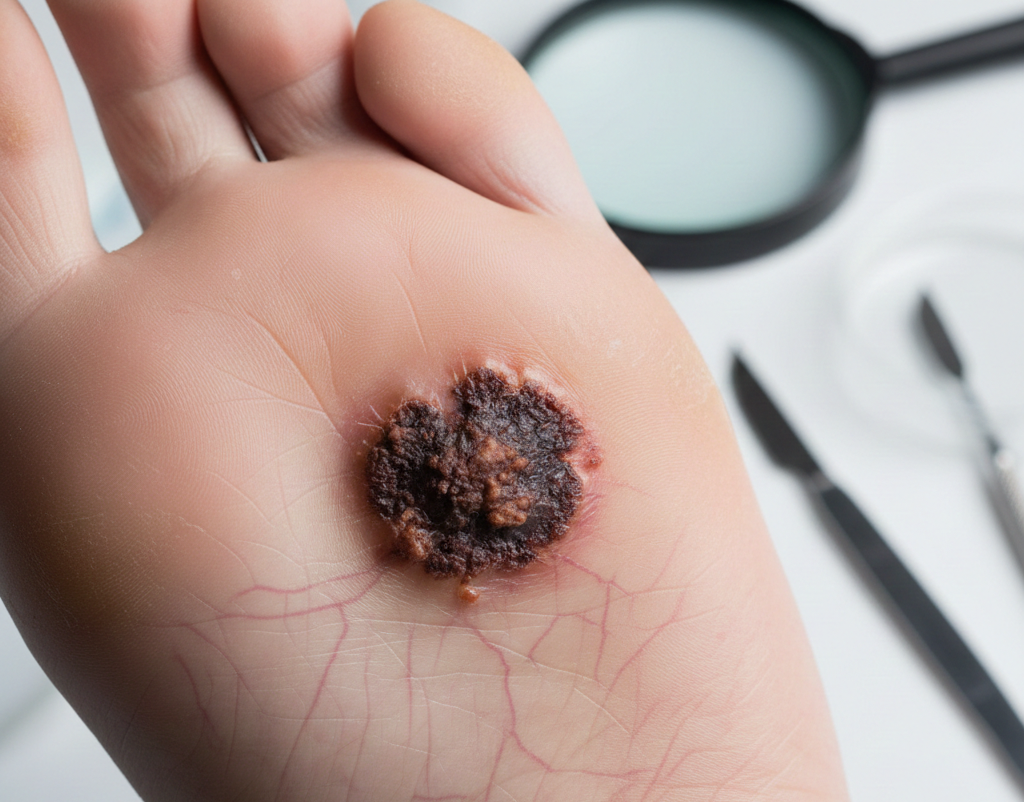
The most common type is melanoma which can appear anywhere on the foot. It may show as a growth on foot or a streak under the toenail. Squamous cell cancers and basal cell cancers also show up but look different on the surface.
Some rare cancers develop in deeper tissues. These can form a foot mass growing fast or a lump that feels firm. When these growths change shape color or size doctors usually test them to confirm the cause.
Melanoma On The Foot
Melanoma often appears as a changing mole on foot or a new spot that looks unusual.
Basal Cell Carcinoma On Feet
This cancer may appear as a shiny bump or a small patch that slowly grows.
Squamous Cell Carcinoma On Feet
It can show as a scaly area or a sore that doesn’t heal.
Rare Tumors Affecting The Bones Or Soft Tissue
These growths appear deeper and may change how your foot feels when walking.
Skin Changes That Might Show Cancer On The Foot
Some changes appear simple but carry meaning. A mark may show color variation foot spot or an uneven border lesion. Even a pink red growth on foot can be a warning. Doctors advise watching the ABCDE warning signs when checking for unusual spots.
You might also see a sore that comes back after healing. Some people notice an itchy foot spot or a lesion that bleeds a little and then stops. These signs can match several conditions so doctors rely on exams to identify the cause.
ABCDE Warning Signs For Melanoma
Look for asymmetry border changes color shifts diameter growth and evolving features.
Unusual Spots Like Pink Bumps Or Dark Patches
These marks appear suddenly or grow slowly over time.
Sores That Heal Then Return
A sore that heals then reopens can signal deeper issues.
Symptoms People Often Mistake For Minor Issues
People often confuse early signs with simple cuts or fungus.
Hidden Spots Where Cancer Can Appear On Feet
Some cancers start in spots you rarely check. The skin cancer on sole may hide in the arch or heel where you don’t look often. A callused heel spot can cover a mark that slowly changes over time.
Changes between toes are tricky too. These areas stay moist and dark which hides small lesions. A melanoma that looks like open sore can appear between toes or under pressure points that rub against shoes.
Melanoma On The Sole Arch And Heel
These spots may show faint color changes or patches that look like bruises.
Changes On Toes And Between Toes
Marks may hide in tight spaces and stay unnoticed for months.
Cancer Signs In Callused Or High Wear Areas
Thick skin can cover early signs until they grow larger.
Changes Under Or Around The Toenail
Many people ignore nail changes. A vertical nail streak or brown or black streak on nail deserves attention especially when it widens. Doctors say nail melanoma symptoms often begin as mild lines that darken with time.
Nail lifting swelling or thickening can also signal trouble. If you see a dark line under nail or discoloration that spreads it helps to book a visit. These issues sometimes mimic fungus but a dermatologist can tell the difference.
Dark Vertical Nail Lines And Streaks
These changes may appear suddenly or slowly expand.
Nail Lifting Thickening Or Discoloration
This can happen when cancer affects the nail bed.
Signs Of Subungual Melanoma That Americans Commonly Overlook
Many assume streaks come from injury but they can be more serious.
How Doctors Check For Foot Cancer
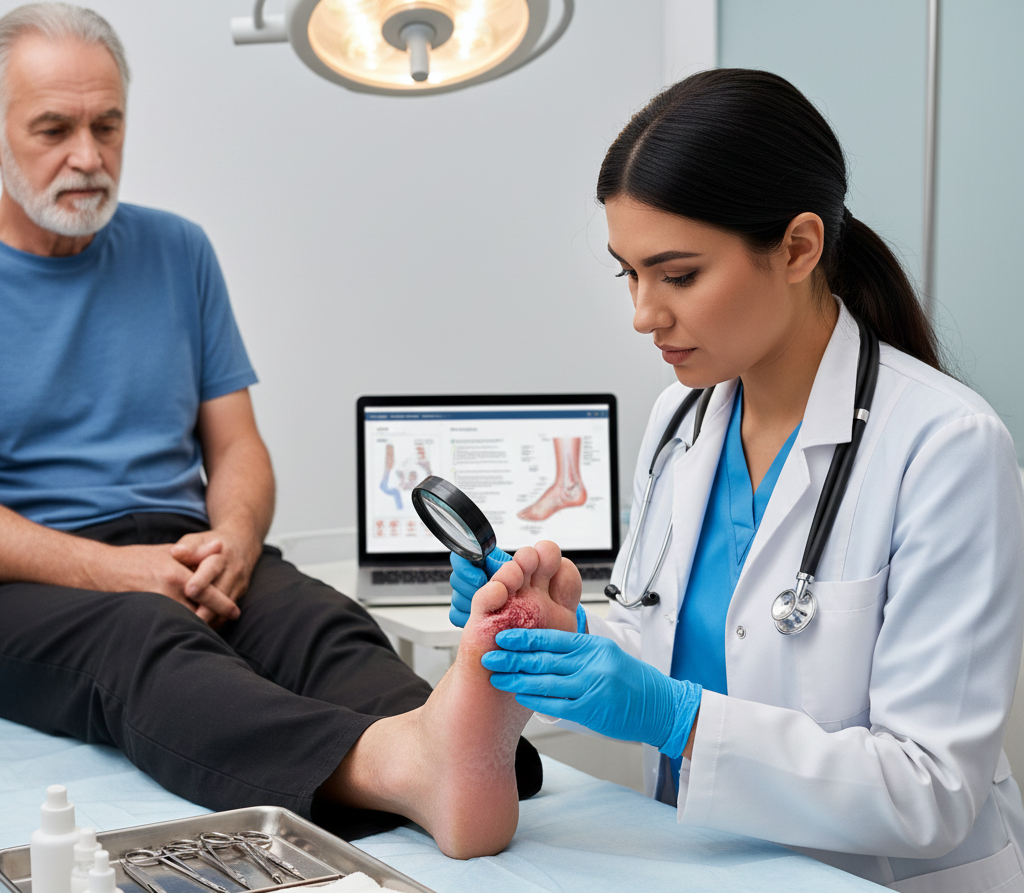
Doctors start with a visual exam. They check for mole changes on foot and use tools to see beneath the surface. A dermoscope skin check or woods lamp exam shows patterns your eyes can’t see.
If a spot looks suspicious the doctor may remove a small sample. A biopsy confirms the type and depth of the cancer. When deeper tissue is involved they may order imaging tests for a better view.
Visual Exam And Medical History Review
Doctors ask about injuries sun exposure diabetes or slow-healing spots.
Dermoscope And Woods Lamp Evaluation
These tools help reveal hidden features beneath the skin.
Biopsy Types Used For Foot Lesions
Punch shave or excision biopsies help confirm the diagnosis.
Imaging Tests When Deeper Tissue Is Involved
Scans help detect how far the cancer has spread.
Ways Doctors Treat Foot Cancer
Treatment depends on the type and stage. Small cancers often respond well to surgery. Larger ones may need immunotherapy or targeted medicine. These treatments help slow or stop abnormal cell growth.
Some people need radiation when surgery isn’t enough. After treatment doctors track healing closely. They watch for foot wound not healing or any changes that look new.
Surgical Removal Options
Doctors remove the cancer and a small margin of healthy tissue.
Immunotherapy And Targeted Medicines
These treatments boost the immune system to fight cancer cells.
Radiation Therapy For Advanced Or Difficult Spots
Radiation helps shrink tumors in challenging areas.
Follow Up Care Americans Typically Receive
Regular checkups help detect new changes early.
Tips To Lower The Chance Of Foot Cancer
You can lower risks with simple habits. Check your feet weekly. Look for new marks or changes like a new spot on old injury. Sunscreen helps protect areas like the toes and heels that often get burned.
Tracking changes with photos helps you spot shifts. When you see a foot sore that heals then returns take action. A quick visit avoids delays and brings peace of mind.
Smart Sun Protection For Feet
Apply sunscreen on tops sides and back of ankles.
How To Check Your Feet At Home
Sit in good light and inspect soles toes nails and heels.
When To Photograph Changes For Tracking
Photos make slow changes easier to spot later.
Daily Habits That Reduce Skin Damage
Choose comfortable shoes that reduce rubbing and pressure.
When You Should Meet A Foot Doctor
If you spot unusual marks it helps to act early. A dermatologist for suspicious spots can catch issues before they spread. They use skin cancer check tools to confirm what you see at home.
If you need help finding someone you can find a dermatologist nearby through national directories. When caught early most cancers respond well to treatment and heal faster.
Warning Signs That Need Immediate Attention
Fast growing marks bleeding lesions or dark nail streaks deserve urgent care.
Why A Dermatologist Is The Right Specialist
They have advanced training in skin conditions and nail diseases.
How To Find A Qualified Doctor In The US
Use medical association websites or insurance networks to locate specialists.
Other Foot Issues That May Look Similar
Many harmless problems mimic early cancer. A wart mistaken for melanoma happens often. Fungus can cause a callus area changing color which looks scary but not dangerous. That’s why experts rely on testing instead of guessing.
Some Americans with diabetes see a diabetic ulcer look alike that resembles cancer. You might also see bruises or simple injuries that look concerning. A doctor sorts these out with careful exams.
Warts And Fungal Infections
These conditions change texture but rarely cause deeper issues.
Diabetic Ulcers And Non Healing Wounds
People with diabetes often develop ulcers that need quick care.
Benign Nail Conditions Often Confused For Cancer
Fungus or bruising can mimic melanoma under the nail.
How Doctors Tell Them Apart From Real Cancer Signs
Doctors use tools tests and experience to identify real concerns.
Conclusion
It’s amazing how much peace of mind you gain once you know what to look for
Small changes like a non healing foot sore or a dark line under nail may feel easy to brush off but they matter
Most people catch problems early simply by slowing down long enough to check their feet with more intention
When something shows up that feels new uncomfortable or unusual a quick dermatologist foot check can make all the difference
You deserve to feel confident about your health
Whether it’s a tiny mark a shifting nail streak or a spot that keeps returning every sign tells a story worth paying attention to
Staying aware gives you a stronger chance of catching foot cancer early when treatment works best and outcomes often feel more hopeful
Your feet carry you through life every day and taking a few moments to care for them is one of the simplest ways to protect your well being